Intercooler Intelligence: Choosing the Right Setup for Your Turbocharged Vehicle
When it comes to turbocharged performance, airflow is king and high temperatures are the tyrant that can rob your engine of its potential. Here’s where intercoolers come in: the unsung heroes of forced induction systems. Whether you're chasing peak horsepower, towing with confidence, or carving up backroads, selecting the right intercooler setup is critical to unlocking consistent, reliable power.
What Is an Intercooler?
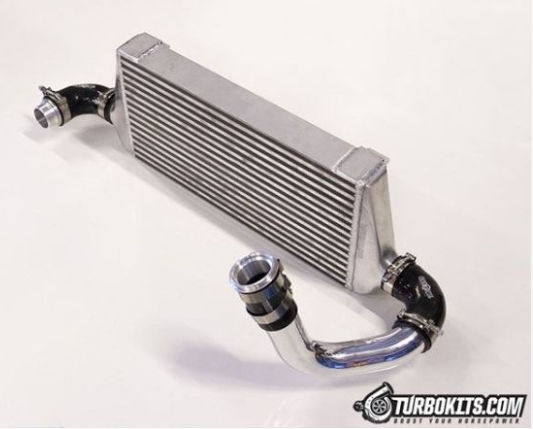
An intercooler is a heat exchanger that cools the compressed air coming from your turbocharger before it enters the engine. Cooler air is denser, which means more oxygen molecules per volume = better combustion, more power, and reduced risk of detonation.
Intercooler Types:
There are two primary types of intercoolers, each with its own strengths depending on your build, climate, and driving style:
1. Air-to-Air Intercoolers

- How it works: Uses ambient airflow to cool the compressed intake air.
- Pros:
- Simple and reliable
- No moving parts or fluid systems
- Ideal for high-speed applications with good airflow (e.g., track cars, rally builds)
- Cons:
- Less effective in stop-and-go traffic or hot climates
- Placement can be tricky in tight engine bays
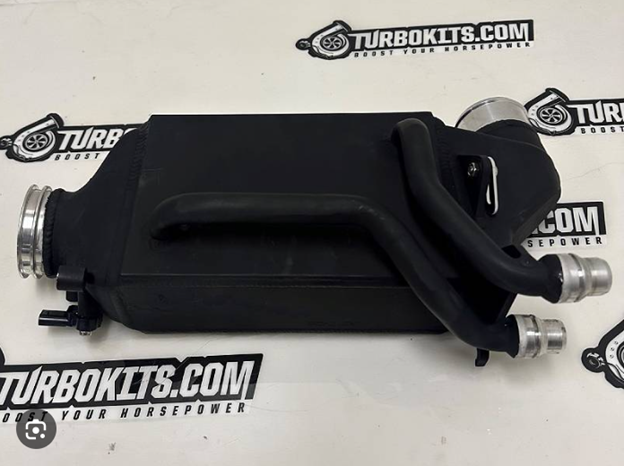
2. Air-to-Water Intercoolers

- How it works: Uses coolant circulated through a heat exchanger to cool intake air.
- Pros:
- More compact and flexible placement
- Consistent cooling even at low speeds
- Can be paired with ice tanks for drag racing
- Cons:
- More complex (requires pump, reservoir, and heat exchanger)
- Heavier and more expensive
How to choose the best intercooler option for your needs:
Selecting the proper intercooler isn’t just about size, it’s about matching the setup to your goals.
|
Factor |
Air-to-Air |
Air-to-Water |
|
Street driving- |
Good for spirited daily use |
Great for stop-and-go or hot climates |
|
Track performance- |
Excellent at speed |
Effective with proper cooling setup |
|
Drag racing- |
May heat soak between runs |
Ice tank setups offer peak cooling |
|
Engine bay space- |
Needs airflow and space |
Compact and flexible |
|
Budget & simplicity- |
Cost-effective and easy to install |
Higher cost and complexity |
Why Upgrade Your Intercooler?
Even factory turbocharged vehicles can benefit from an intercooler upgrade. Here’s why:
- Increased horsepower: Cooler intake temps mean more oxygen and better combustion.
- Improved reliability: Reduces the risk of detonation and engine knock.
- Consistent performance: Prevents heat soak during long pulls or hot weather.
- Better tuning potential: Supports higher boost levels and aggressive timing.
- Enhanced throttle response: Denser air improves engine responsiveness.
Your intercooler isn’t just a supporting actor, it’s a key player in your turbo system’s performance. Whether you're installing a new turbo kit or dialing in a trail-ready build, choosing the right intercooler ensures your engine breathes deep, runs cool, and delivers power when it counts.