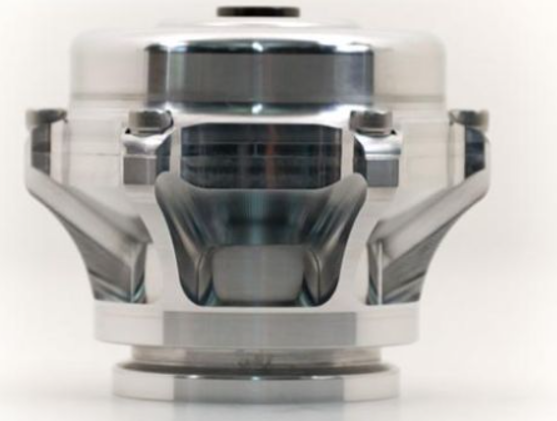
Turbocharged engines live in a world of extreme pressure, heat, and airflow. Managing that pressure is the difference between a turbo that lasts 100,000 miles and one that fails in a single pull. Two components do the heavy lifting here: blow-off valves (BOVs) and wastegates.
While they serve different purposes, blow-off valves and wastegates play important roles in many turbocharged gasoline applications. The BOV manages pressure on the compressor side during throttle closure, while the wastegate regulates turbine energy and boost pressure. Let’s break down how they work, why they matter, and how they help protect a turbocharged system.
What Is Compressor Surge and Why Is It So Dangerous?
Compressor surge happens when the turbo is producing more airflow than the engine can accept, usually during sudden throttle closure. The pressurized air has nowhere to go, so it reverses direction and slams back into the compressor wheel.
This creates:
- Violent pressure oscillations
- Turbo shaft stress