Turbochargers have transformed everything from diesel trucks and daily drivers to race cars and side-by-sides. Yet despite decades of development, some myths continue circulating through forums, social media, and garage conversations. Unfortunately, believing these misconceptions can lead to poor turbo selection, disappointing performance, and unnecessary expenses.
Let's break down four of the most common turbocharger myths and explain what really affects performance.
Myth #1: More Boost Always Makes More Power
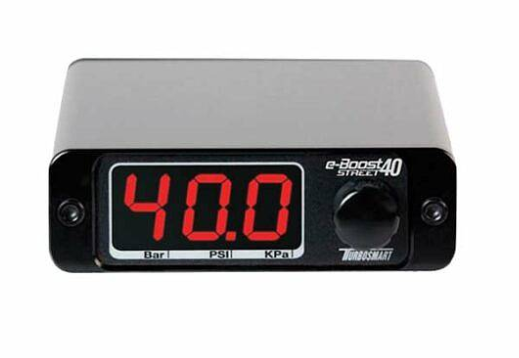
This is perhaps the most common misunderstanding in the performance world.
Many enthusiasts focus solely on boost pressure numbers. If 15 PSI is good, 25 PSI must be better, right?
Not necessarily.
Boost pressure tells you how much manifold pressure the engine is seeing above atmospheric pressure, but it does not tell you by itself how much air mass is entering the engine or how much power the engine will make.
Horsepower is influenced much more directly by the mass of oxygen the engine can process, along with factors such as fuel delivery, ignition timing, charge-air temperature, engine efficiency, and turbocharger efficiency.
For example:
- A properly sized turbo flowing 60 lb/min at a given boost level may support substantially more power than a smaller, less efficient turbo operating at a higher boost pressure.
- Two engines can both run 20 PSI and produce very different horsepower numbers because of differences in displacement, airflow, compressor efficiency, intercooling, cylinder-head flow, and overall engine setup.
What Actually Matters?
- Mass airflow (lb/min)
- Compressor efficiency
- Pressure ratio
- Charge-air temperature
- Fuel quality and fuel-system capability
- Engine volumetric efficiency
A well-matched turbocharger operating within an efficient region of its compressor map can deliver the required airflow with lower charge temperatures and less compressor work than a poorly matched turbo operating outside its ideal range.
The key takeaway: boost pressure alone is not a measure of horsepower potential.
Learn More
If you're unsure how airflow relates to turbo sizing, check out our guide to reading turbocharger compressor maps .
Myth #2: A/R Only Affects Turbo Spool
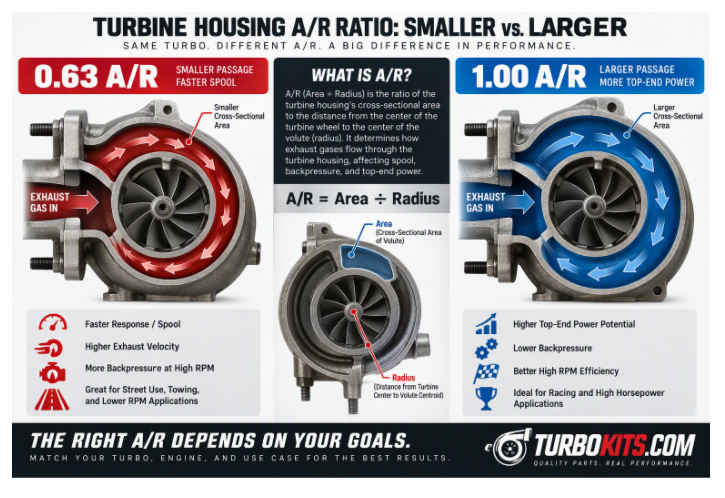
Many tuners believe turbine housing A/R only changes when the turbo reaches full boost.
While spool characteristics are certainly affected, that's only part of the story.
What Is A/R?
A/R stands for:
Area ÷ Radius
It describes the geometry of the turbine housing and significantly impacts:
- Turbo spool speed
- Peak horsepower
- Backpressure
- Exhaust temperature
- Overall engine efficiency
Small A/R Housing
Benefits:
- Faster spool
- Better low-RPM response
Compromises:
- Increased backpressure
- Higher exhaust temperatures
- Restricts top-end flow
Large A/R Housing
Benefits:
- Lower backpressure
- Better high-RPM efficiency
- Increased horsepower potential
Compromises:
- Slower spool characteristics
A turbocharger with a 0.82 A/R housing and one with a 1.01 A/R housing may feel completely different despite using the same compressor wheel.
Real-World Impact
Selecting the wrong A/R can leave horsepower on the table or create unnecessary lag.
This is why turbo selection should always include:
- Engine displacement
- Operating RPM range
- Vehicle weight
- Intended use
- Target horsepower
Myth #3: Twin-Scroll Works on Every Setup
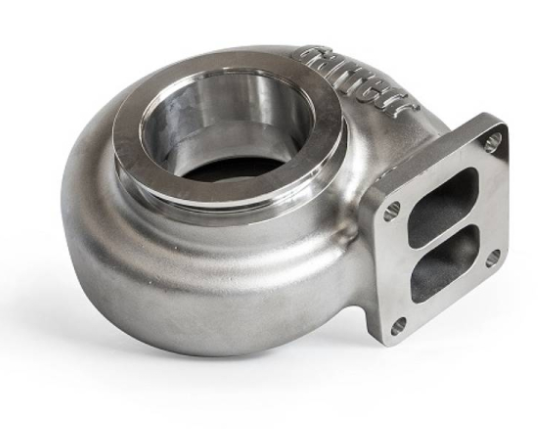
Twin-scroll turbochargers have become increasingly popular, and for good reason.
When properly designed, they can:
- Improve spool
- Increase turbine efficiency
- Reduce exhaust pulse interference
- Improve low-RPM torque
However, simply installing a twin-scroll turbo does not automatically create these benefits.
The Critical Requirement
A twin-scroll turbo requires a properly divided exhaust manifold.
For maximum effectiveness:
- Cylinder firing events must be paired correctly.
- Exhaust runners should remain separated and equal length to optimize performance.
- Pulse energy must be preserved.
When Twin-Scroll Doesn't Help
If a manifold merges exhaust gases before reaching the turbine wheel, much of the twin-scroll advantage disappears.
A divided turbine housing connected to a poorly designed manifold often performs very similarly to a single-scroll setup.
The Reality
Twin-scroll can be highly effective, but only when the entire exhaust system is designed to support it.
This is one reason why complete turbo system engineering matters more than simply choosing a specific turbocharger.
Myth #4: Bigger Intercoolers Are Always Better
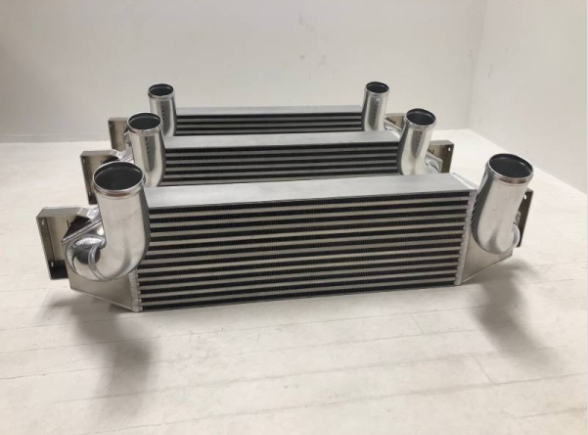
A large intercooler looks impressive behind the grille, but bigger is not always better.
Why We Use Intercoolers
Turbochargers compress air.
Compressed air becomes hot.
Hot air is less dense and more prone to detonation.
Intercoolers reduce intake temperatures and improve power potential.
The Problem with Going Too Large
Oversized intercoolers can create:
- Increased pressure drop
- Greater system volume
- Slower boost response
- Packaging challenges
- Additional weight
An intercooler should be matched to the vehicle's airflow requirements, not selected purely by physical size.
The Sweet Spot
The ideal intercooler provides:
- Excellent cooling efficiency
- Minimal pressure loss
- Fast boost response
- Proper fitment
The goal isn't the largest intercooler available.
The goal is the most efficient intercooler for your horsepower target.
The Bigger Picture: Turbo Systems Must Be Balanced
One of the biggest mistakes builders make is focusing on a single number or component.
Turbocharger performance depends on how the entire system works together:
- Turbocharger sizing
- Turbine housing selection
- Exhaust manifold design
- Intercooler efficiency
- Fuel system capability
- Engine airflow characteristics
The fastest and most reliable turbo vehicles are built around balanced combinations, not extreme individual components.
Need Help Choosing the Right Turbo?
Whether you're building a street car, diesel truck, off-road machine, or dedicated race vehicle, selecting the right turbocharger can make all the difference.
At TurboKits.com, we specialize in helping enthusiasts choose turbochargers, turbine housings, intercoolers, wastegates, and complete turbo systems that match their goals.
Explore More Resources
Whether you're chasing faster spool, more horsepower, or a reliable daily-driver setup, the right combination will always outperform chasing myths.
Remember: More boost doesn't automatically mean more power, bigger isn't always better, and the most effective upgrades are the ones engineered to work together.