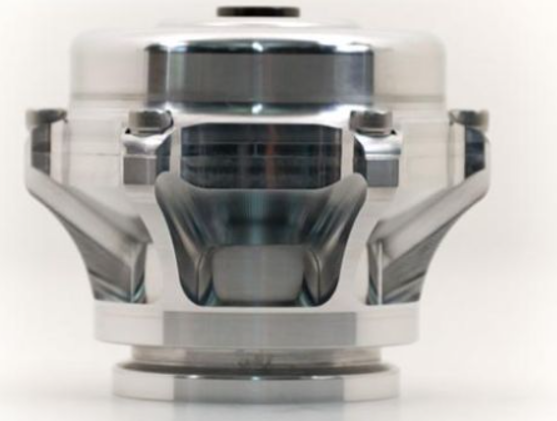
Turbocharged engines live in a world of extreme pressure, heat, and airflow. Managing that pressure is the difference between a turbo that lasts 100,000 miles and one that fails in a single pull. Two components do the heavy lifting here: blow-off valves (BOVs) and wastegates.
While they serve different purposes, blow-off valves and wastegates play important roles in many turbocharged gasoline applications. The BOV manages pressure on the compressor side during throttle closure, while the wastegate regulates turbine energy and boost pressure. Let’s break down how they work, why they matter, and how they help protect a turbocharged system.
What Is Compressor Surge and Why Is It So Dangerous?
Compressor surge happens when the turbo is producing more airflow than the engine can accept, usually during sudden throttle closure. The pressurized air has nowhere to go, so it reverses direction and slams back into the compressor wheel.
This creates:
- Violent pressure oscillations
- Turbo shaft stress
- Compressor wheel stalling
- Bearing overload
- The infamous “flutter” sound
Left unchecked, surge can bend blades, snap shafts, and destroy a turbo.
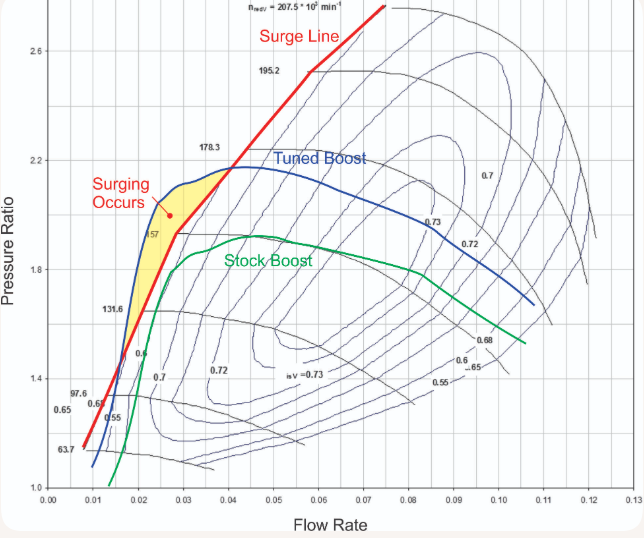
This is where blow-off valves and wastegates step in.
Blow-Off Valves: Venting Excess Boost to Protect the Compressor
A blow-off valve is mounted on the charge pipe or intercooler piping and opens when the throttle closes. Its job is simple but critical.
What a BOV Does
- Releases excess boost pressure
- Prevents compressor surge
- Reduces turbo lag between shifts
- Protects the compressor wheel and bearings
When the throttle plate snaps shut, manifold vacuum pulls the BOV open, venting the pressurized air.
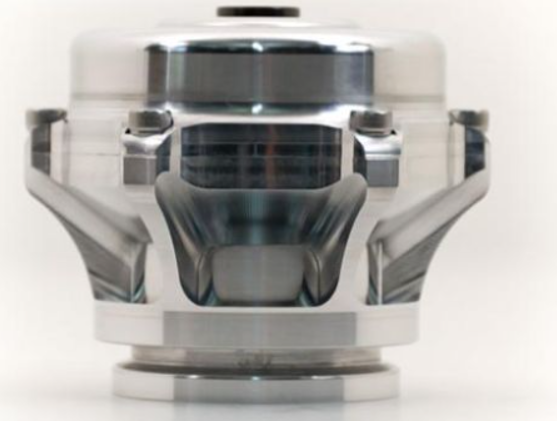
Vent-to-Atmosphere (VTA) BOV
This is the classic “psssshhh” sound everyone knows.
Pros:
- Iconic sound
- Reduces surge effectively
- Great for high-boost builds
Cons:
- Can cause rich conditions on MAF-based vehicles
- Not ideal for OEM-style drivability
Recirculating Bypass Valve
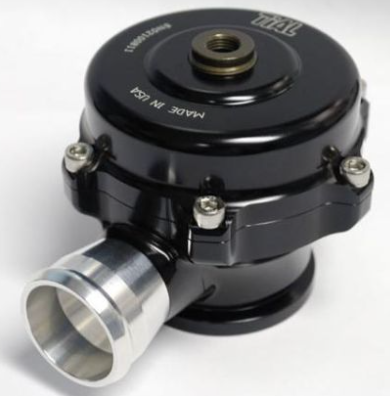
A recirculating bypass valve routes air back into the intake instead of venting it.
Pros:
- OEM-smooth drivability
- No rich spikes
- Quiet operation
Cons:
- No signature sound
- Slightly less “free-breathing” on big-power setups
What Causes Turbo Flutter?
Flutter is often misunderstood. Many think it’s a BOV sound, but it’s actually compressor surge.
Flutter happens when:
- The BOV is too stiff
- The BOV is too small
- The BOV is leaking
- There is no BOV at all
While some enthusiasts love the sound, flutter is not healthy for the turbo. It’s the compressor wheel stalling and re-accelerating rapidly, an abusive cycle that shortens turbo life.
Wastegates: Controlling Boost at the Turbine Side
While the BOV protects the compressor, the wastegate protects the turbine and controls overall boost pressure.
A wastegate regulates how much exhaust gas flows to the turbine wheel. When boost reaches the target level, the wastegate opens to bypass exhaust around the turbo, preventing overspeed.
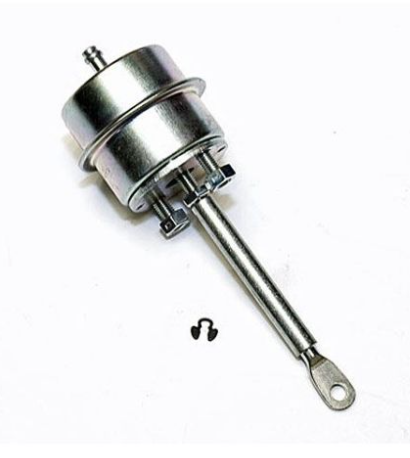
Internal Wastegate (IWG)
An internal wastegate is built into the turbocharger housing.
Pros:
- Compact
- Simple
- Great for OEM and bolt-on turbos
Cons:
- Limited flow
- Can struggle with boost creep on high-power builds
External Wastegate (EWG)
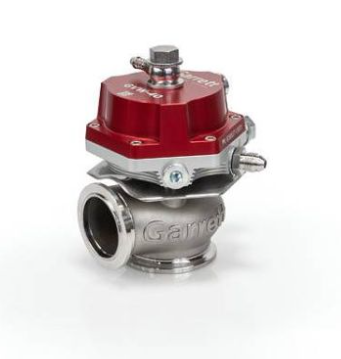
An external wastegate is mounted on the exhaust manifold or up-pipe.
Pros:
- Superior boost control
- Handles high exhaust flow
- Can help prevent boost creep when properly sized and positioned.
- Allows precise tuning
Cons:
- Can be considerably louder when vented to atmosphere; recirculated setups are typically quieter.
- Requires fabrication or a compatible manifold
How Wastegates Protect Your Turbo
A properly functioning wastegate prevents:
- Turbo overspeed
- Excessive boost pressure
- Turbine wheel failure
- Exhaust manifold pressure spikes
Overspeed is one of the fastest ways to damage a turbo. A stuck or improperly controlled wastegate can drive turbocharger shaft speed beyond the manufacturer’s safe operating limit, increasing the risk of compressor-wheel, turbine, bearing, or shaft failure.
BOV + Wastegate: The Two-Part System That Keeps Your Turbo Alive
Think of them as a team:
| Component | Side | Primary Function |
|---|---|---|
| Blow-Off Valve | Compressor side | Vents excess boost when the throttle closes |
| Wastegate | Turbine side | Controls boost and prevents overspeed |
Together, they:
- Prevent compressor surge
- Maintain stable boost levels
- Improve throttle response
- Extend turbo lifespan
- Protect bearings, wheels, and the rotating assembly
Choosing the Right BOV and Wastegate for Your Build
TurboKits.com carries a full lineup of performance blow-off valves, bypass valves, internal wastegate actuators, and external wastegates from top brands.
When selecting components, consider:
- Engine management (MAF vs. MAP)
- Target boost level
- Turbo size
- Power goals
- Space constraints
- Noise preference
If you’re unsure, our team can help you match the perfect setup for your turbo system.
Blow-off valves and wastegates aren’t just accessories; they’re critical safety components that keep your turbo alive under extreme conditions. Whether you’re daily-driving a stock turbo or pushing a big-power build, proper boost control prevents surge, overspeed, and premature turbo failure.
For the best selection of BOVs, wastegates, turbo kits, and boost-control components, visit TurboKits.com — your trusted source for forced-induction performance.